How do we decide to help each other? To trust? To cooperate? To hurt? How do we connect with each other?
Dr. Jana Schaich Borg is a neuroscientist who researches to make our social lives better in the age of Artificial Intelligence (AI).
She draws on her interdisciplinary background in social cognition, moral judgment, and empathy across species to understand the “grammar of social interaction”, determine what types of empathy we want and need from other humans and artificial systems, and to design Moral AI that behaves consistently with society’s values.
Jana co-leads Moral AI Lab, the Social Synchrony Lab, and the Moral Attitudes and Decisions Lab.

Research
Researching human and AI social behavior and moral judgement in novel ways.
Data Science Methods | Artificial Intelligence | Software Development | Human-Computer Interaction Methods
Past
Psychopathy
Dolphins Cognition Lab
Moral Artificial Intelligence (AI)
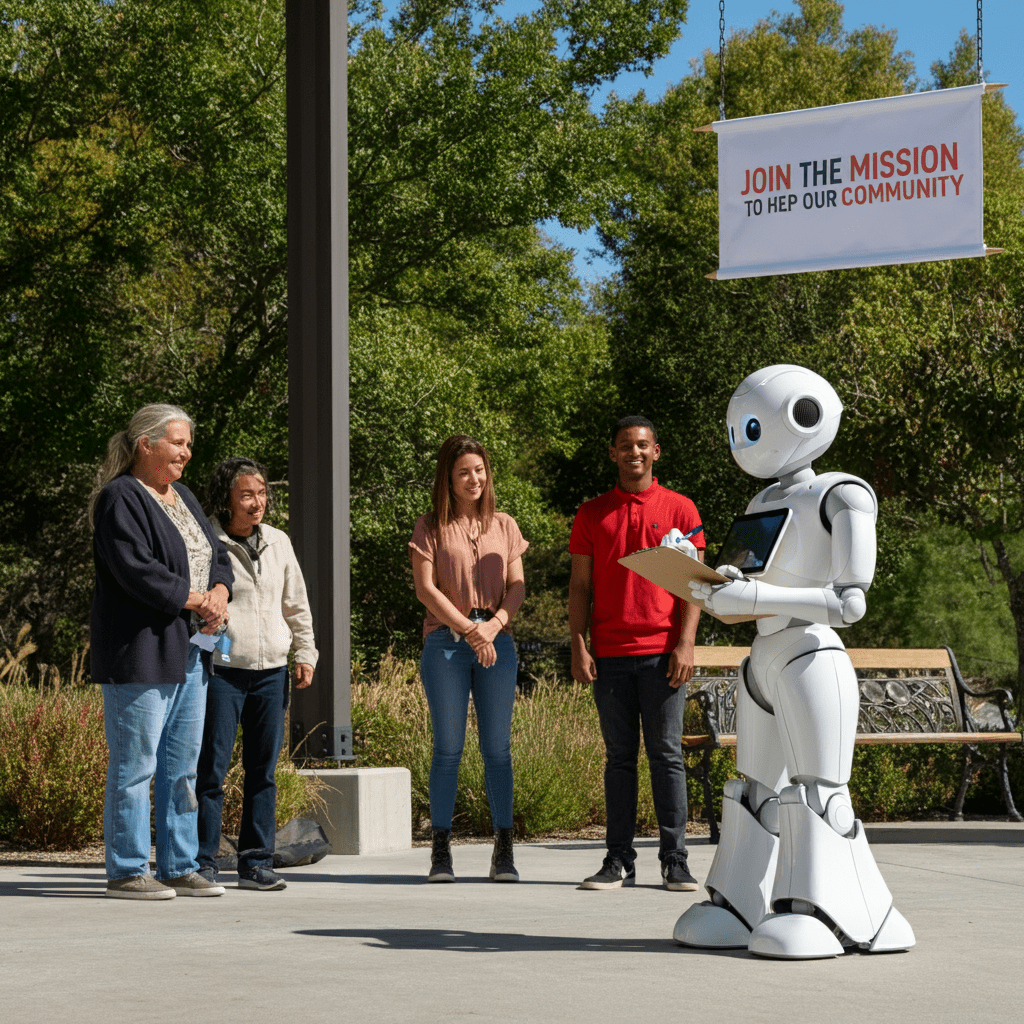
This work is dedicated to developing technical strategies for teaching AI systems to behave morally. In collaboration with computer scientists and philosophers, we design ways to make specific AI systems—like those used in organ allocation, resume sorting, or end of life decisions—align with a community’s moral values, as well as more general systems—like those used in chatbots—learn how to reason about harm.
Some of my most recent efforts focus on strategies to help AIs and humans work together to not only teach AIs human moral models more efficiently, but to also teach humans how to make moral decisions more consistently.
Empathy
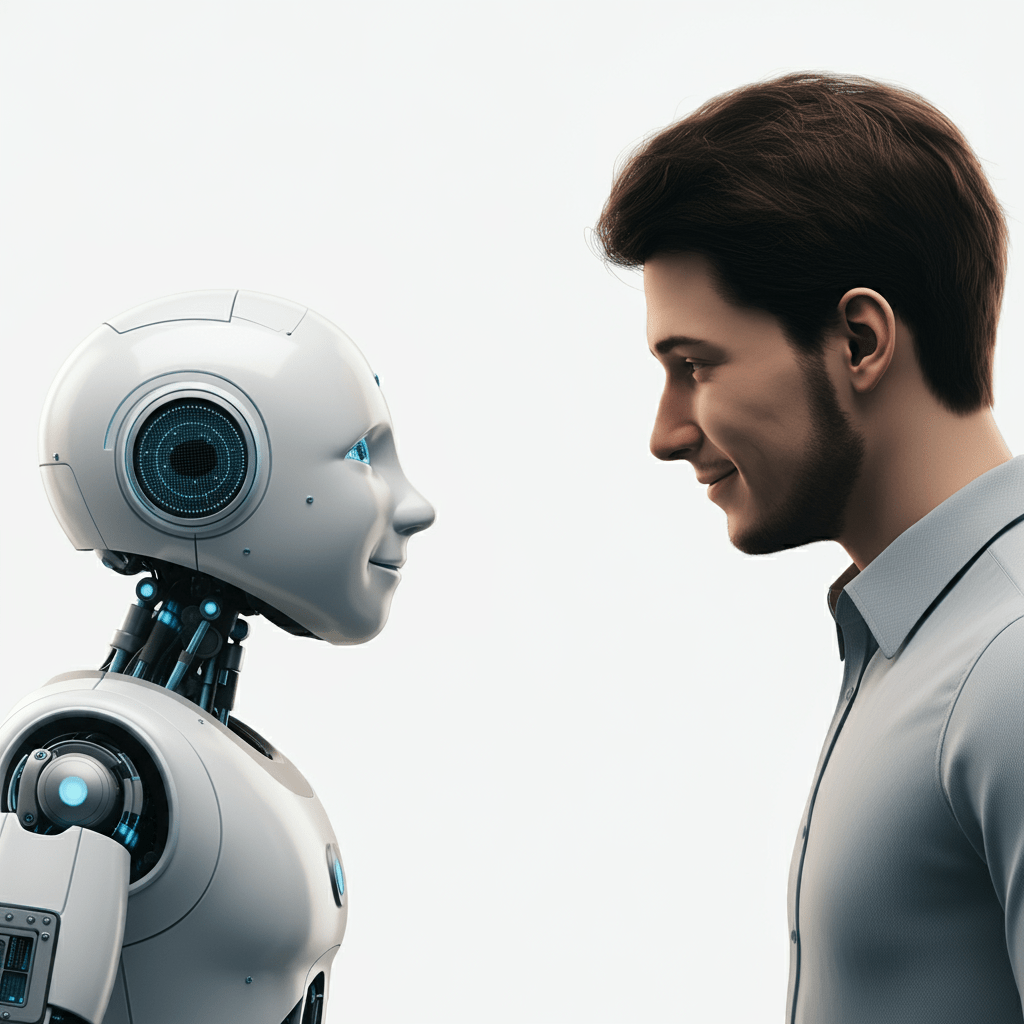
Most of us have a clear idea of what we think empathy is and know that it’s important, but we don’t realize that other people’s ideas of empathy are often very different from ours and that empathy can be harmful in some circumstances while essential in others.
Drawing on decades of work across species and now AI systems, this research aims to provide theoretical and methodological clarity about how to think about empathy and understand its impacts. We are using the results to provide guidance about what kinds of empathy to build—and not build—into AI systems, and what kinds of empathy are helpful—and harmful—for learning how to behave morally.
Data Visualization
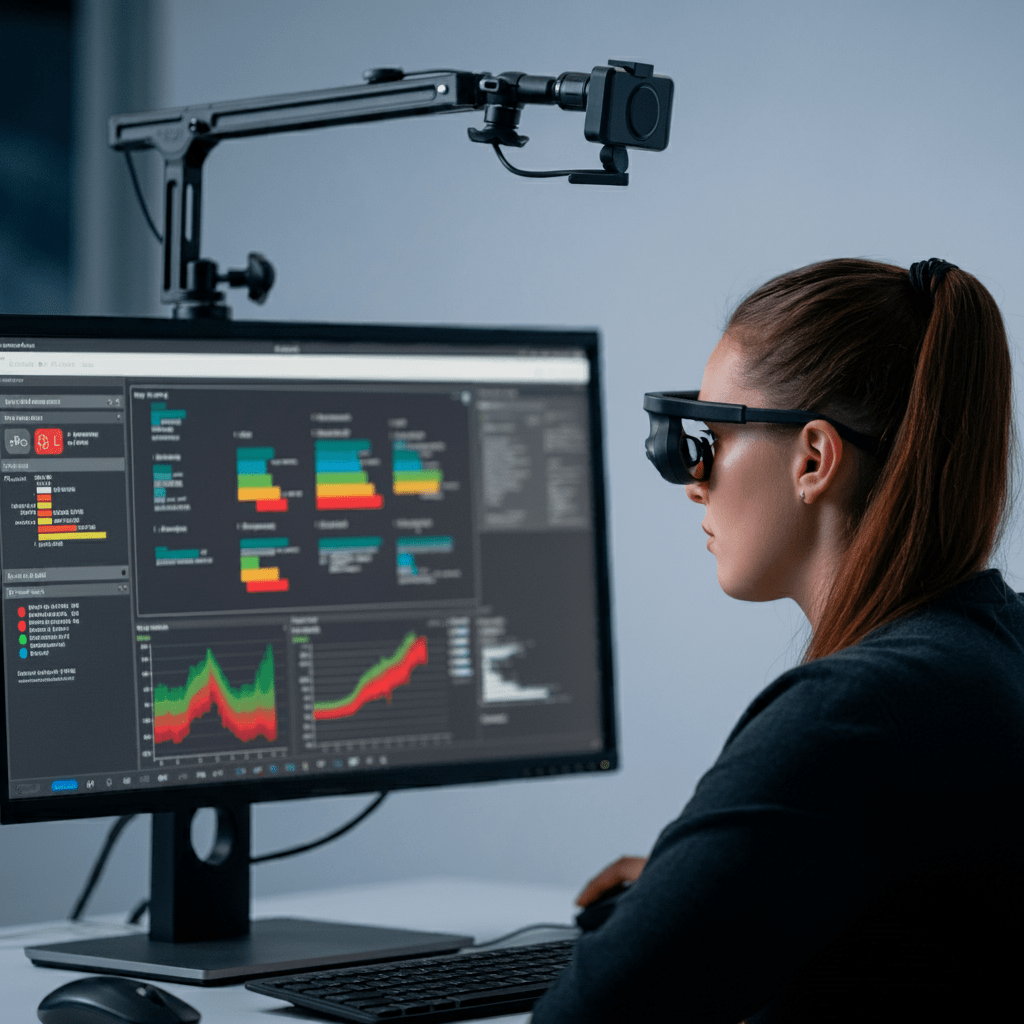
Data visualization is a critical tool for sharing research with the public and doing interdisciplinary research effectively. It is also one of the most promising strategies for making AI systems understandable and interpretable.
Drawing on my background in visual decision-making and cognitive neuroscience, this new line of work generously funded by an internal grant from Duke University takes advantage of cognitive science tools to evaluate some of the most popular data visualization “best practices” and adjudicate between ways of applying them to individual data visualizations.
We aim to use our findings to help people across fields and disciplines make more effective data visualizations, and to generate hypotheses about what kinds of visualizations will be most helpful for deciphering how individual AI models work.
Research Labs
Moral Artificial Intelligence Lab
Co-Leader
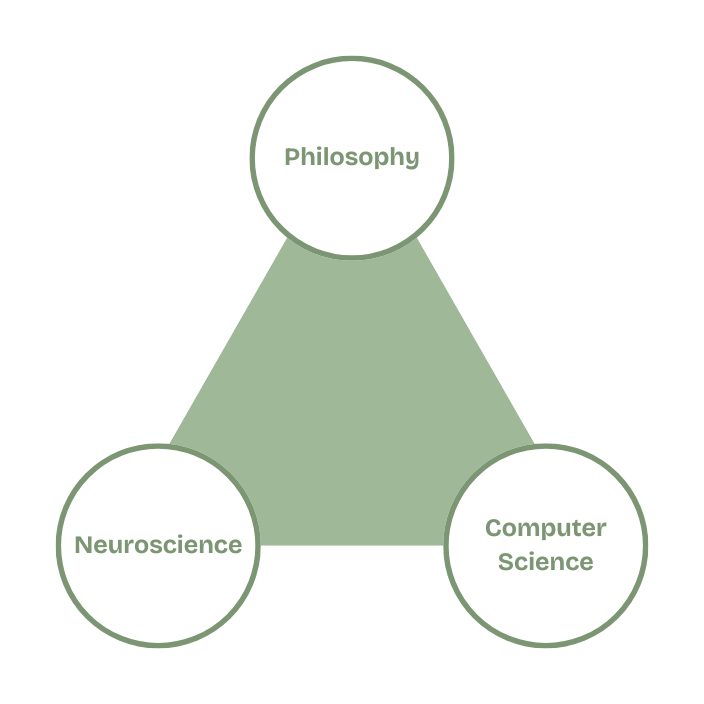
The Moral AI Lab is a group of interdisciplinary researchers from Duke University and Carnegie Mellon who study the social and ethical implications of developing artificial intelligence systems, and who develop technical user-centered methodologies for developing morally aligned AI.
Social Synchrony Lab
How do people connect with each other, and what kind of connection matters? The Social Synchrony Lab uses novel computational tools and unique data collection platforms to research the role of social synchrony in empathy, social connection, psychiatric disease, and mental health.

Moral Attitudes and Decisions Lab (MADLAB)
Co-Director
The Moral Attitudes and Decisions Lab (MADLAB) is a vertically-integrated, interdisciplinary laboratory—co-directed by Walter Sinnott-Armstrong (Philosophy, Kenan Institute for Ethics, Psychology and Neuroscience, Law School) and Jana Schaich Borg (SSRI, Kenan Institute for Ethics)—dedicated to studying how social, cultural, neurological, and biological factors shape our moral attitudes, decisions, and judgments.
“Human beings are social creatures. We are social not just in the trivial sense that we like company, and not just in the obvious sense that we each depend on others. We are social in a more elemental way: simply to exist as a normal human being requires interaction with other people.”
Atul Gawande
Surgeon at at Brigham and Women’s Hospital
 Jana Schaich Borg
Social Synchrony
Have you ever walked down the street with a friend and realized that your steps and arm swings are somehow in perfect rhythm with theirs? It turns out that many aspects of people’s facial expressions, poses, and gestures coordinate when we interact with others, and the magnitude of this “social synchrony” correlates with important behaviors and aspects of social cognition, such as cooperation, liking one another, feeling connected to one another, empathy, and being able to infer one another’s thoughts.
Using custom digital data collection platforms that allow us to observe natural social interactions at scale, our research uses novel mathematical tools and interpretable machine learning to understand the structure of multimodal social synchrony and how it contributes to social cognition, behaviors, and mental health. I’m passionate about leveraging this work to inform psychological and neural theories of social intelligence, and to create interventions to help screen for and treat mental health disorders, especially those impacted by challenges with social communication and connection.